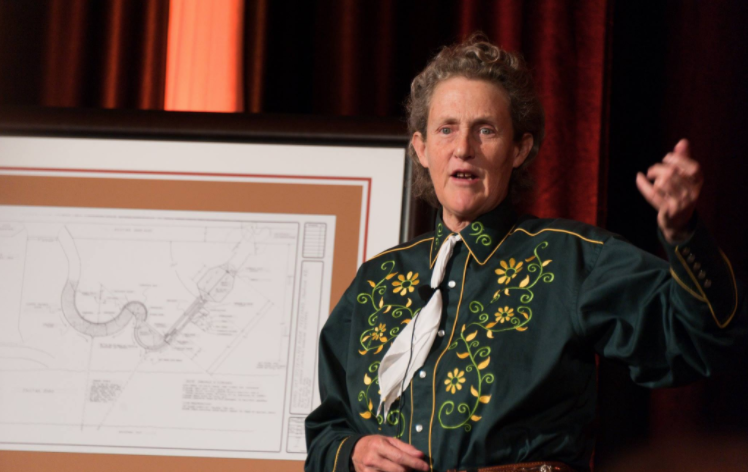
Heroes With Autism: Temple Grandin
Her remarkable achievements in the fields of animal science and autism advocacy have not only transformed industries but also touched countless lives along the way— and her accomplishments have not gone unnoticed or unappreciated. She has received numerous awards including being named one of TIME magazine’s 100 most influential people in the world.
Join us as we delve into the captivating story of this extraordinary individual who has forever changed our understanding of what it means to be an advocate for both animals and people on the autism spectrum.
Early Life And Diagnosis Of Autism
Temple Grandin’s early life was marked by unique challenges and struggles due to her autism. Born in 1947, she was diagnosed with autism at a time when the disorder was still widely misunderstood and stigmatized. Growing up, Temple faced difficulties in social interactions and communication, often feeling like an outsider.
However, despite the obstacles she faced, Temple Grandin found solace in animals from a young age. Her deep connection with them became her refuge and source of comfort amidst a world that didn’t always understand her. This fascination led her to pursue studies in animal science. As she approached adulthood, Temple’s parents sought out various therapies and interventions to help improve her social skills and abilities. One pivotal moment came when she attended a boarding school for children with special needs where they focused on developing practical skills.
It was during her college years that Temple truly began to thrive academically. She earned bachelor’s degrees in psychology and animal science before going on to complete both master’s and doctoral degrees as well.
Through perseverance and determination, Temple overcame many of the challenges associated with autism while carving out a niche for herself within the field of animal behavior. Her unique perspective allowed her to revolutionize livestock handling systems by designing more humane facilities that reduced stress for animals. By sharing insights into how individuals with autism perceive the world around them, Temple has not only heightened awareness but also fostered acceptance among neurotypical individuals who may have previously been ignorant or judgmental towards those on the spectrum.
Her advocacy work has had far-reaching impacts within both academic circles and society at large. Through lectures, books, interviews, and documentaries about her life experiences as an autistic individual succeeding against all odds, she continues breaking down barriers while serving as an inspiration for countless others facing similar challenges
Contributions To The Field Of Animal Science And Livestock Handling
One of Grandin’s most significant achievements is in the design of humane slaughterhouses. Recognizing that traditional methods caused unnecessary stress and suffering for animals, she developed more efficient and compassionate systems. Her designs emphasize low-stress handling techniques, reducing fear and anxiety in livestock during transportation and at processing facilities.
Grandin’s work also extends to improving animal welfare on farms. She has designed innovative livestock handling equipment that promotes calmness while still maintaining efficiency. By considering an animal’s natural behavior patterns, she has created systems that minimize stress during routine tasks such as sorting, loading, and vaccinations.
In addition to her practical contributions, Grandin has also conducted extensive research in the field. Her studies have focused on understanding how animals perceive their environment and respond to different stimuli. This knowledge allows farmers and ranchers to create optimal conditions for their animals’ well-being.
By combining her own experiences with autism with a deep empathy for animals, Temple Grandin has reimagined what it means to care for them ethically. Her groundbreaking work continues to inspire others in the industry to prioritize compassion alongside productivity— a true testament to her lasting impact on animal science.
Impact On The ASD Community And Advocacy Work
Temple Grandin’s impact on the autism community has been nothing short of extraordinary. Through her own experiences with autism, she has become a strong advocate for individuals on the spectrum, inspiring and empowering them to embrace their unique abilities.
One of Temple’s most significant contributions to the autism community is her dedication to raising awareness about the disorder. She has tirelessly worked to educate others about what it means to be autistic, breaking down stereotypes and misconceptions along the way.
In addition, Temple has been instrumental in promoting early intervention for children with autism. She understands firsthand how crucial it is for individuals to receive support at an early age, allowing them to develop important skills and reach their full potential.
Through her advocacy work, Temple has also emphasized the importance of creating inclusive environments that accommodate individuals with autism. From schools and workplaces to public spaces, she believes that everyone deserves equal opportunities for success.
Furthermore, Temple has used her platform as a renowned speaker and author to share strategies for coping with sensory sensitivities often associated with autism. Her insights have helped countless individuals find ways to navigate overwhelming situations more effectively.
Temple Grandin’s impact on the autism community cannot be overstated. Her advocacy work continues to pave the way for greater understanding and acceptance of those living with autism. By sharing her story and championing inclusivity, she serves as an inspiration not only within this community but also beyond its boundaries
Looking For Autism Treatment? Contact Us Today
Temple Grandin is truly an extraordinary individual who has made a profound impact in the fields of animal science and autism advocacy. Despite facing numerous challenges due to her autism diagnosis, she has overcome them with resilience, determination, and a unique perspective on the world.
From her early years as a misfit in school to becoming a renowned expert in livestock handling, Temple Grandin has shown us that our differences can be our greatest strengths. Her innovative designs for humane livestock facilities have revolutionized the industry and improved the welfare of countless animals.
How Autism Training Can Help Your Business Or Organization
By investing in autism training, you can create a more inclusive and welcoming environment that benefits everyone involved and makes everyone’s job that much easier. Working with people who have Autism— in any capacity— can be drastically improved with our trainings. In today’s blog post, we’ll explore the benefits of autism training for businesses and organizations.
How Does Autism Affect Employees
Autism is a neurological disorder that affects the way people communicate and interact with others. It can have a significant impact on employees in the workplace, particularly those who are neurodiverse. For instance, individuals with autism may find it challenging to navigate certain social situations or understand implicit cues from their colleagues.
Moreover, this condition can affect an employee’s ability to focus or multitask effectively. They may also struggle to manage sensory overload caused by bright lights or loud noises in the office environment.
However, it’s essential to note that every person experiences autism differently, and not all autistic individuals will face these challenges in the same way. On the other hand, many people with autism excel at tasks requiring attention to detail and intense focus. Neurodivergence has two sides, and there’s almost always an upside which your business can benefit from.
Accommodating employees with autism can require personalized approaches, however the rewards can be exceptional. By doing so, businesses benefit from more diverse perspectives while providing employees a supportive work environment where they feel safe and valued.
How Does Autism Affect Customers
Autism is a spectrum disorder that affects individuals differently. For some, social interaction may be challenging and overwhelming. When it comes to businesses or organizations that serve customers, understanding the needs of autistic individuals can make all the difference. Autistic customers might have sensory sensitivities which could cause discomfort or even pain in certain environments. This means that bright lights, loud noises, strong smells, or busy crowds might negatively impact their experience while shopping.
Communication can also pose challenges for those with autism as they may struggle with verbal cues and nonverbal signals such as facial expressions or body language. These difficulties can lead to misunderstandings when communicating with store employees which could create frustration on both sides.
It’s essential for companies to ensure their facilities are accessible for everyone regardless of disability status since many autistic individuals also have mobility impairments. Being aware of these issues is crucial when catering to an increasingly diverse customer base— especially one made up of neurodiverse individuals who seek accommodations within public spaces.
How Does Autism Affect The Public
For those professions who work with the general public, autism training is essential. Because people with Autism are part of the public, they will invariably be often encountered as part of the job. Everything in the “customers” section above applies, only more so. Because people with Autism may be encountered in stressful or difficult situations, understanding how to calm and work with Autistic youth and adults under duress is highly recommended.
Some professions that can particularly benefit from Autism training include:
- Police Officers
- Firefighters
- Paramedics
- Park Rangers and Employees
- Teachers
- Care Home Workers
- Nurses
- Doctors
- And Anyone Who Regularly Interacts With the General Population as Part of Their Job
How Can Autism Training Help My Business Or Organization?
By providing employees with knowledge and understanding of Autism, they are better equipped to work alongside colleagues, customers, and the public who may have different ways of processing information or communicating.
This type of training also benefits customers. Employees who are trained in Autism awareness will be able to recognize the signs that someone may need additional support or accommodations while using their services. This could range from allowing extra time during transactions to providing sensory-friendly options for individuals on the spectrum.
In some cases, especially for those who work for the public in stressful situations like police or paramedics, Autism training can save lives. By learning how individuals on the spectrum process information differently, those serving the public can adjust their approach when giving instructions or feedback. Training can also help public servants how to recognize the condition.
Implementing an Autism training program also demonstrates your commitment as a business or organization to creating a diverse and welcoming environment for all individuals. It sends a powerful message that you value inclusivity, which helps attract not only customers but also top talent in your industry.
Investing in Autism training is not just about doing what’s right — it’s about making good business sense too.
Bright Behavior Therapy Provides World-Class Autism Training
Autism training can greatly benefit any business or organization, and we are more than happy to provide training anywhere in the Metro Detroit area. All of our trainings are custom made for your organization and tailored to your specific needs.
By providing employees with the tools and knowledge to better understand and support individuals with Autism, your team can create a more inclusive and supportive work environment— for everyone. Additionally, by being aware of how Autism may affect customers and the public at large, you can ensure that your products and services are accessible to all members of the community.
Are Boys More Likely To Have Autism?
Boys and Autism
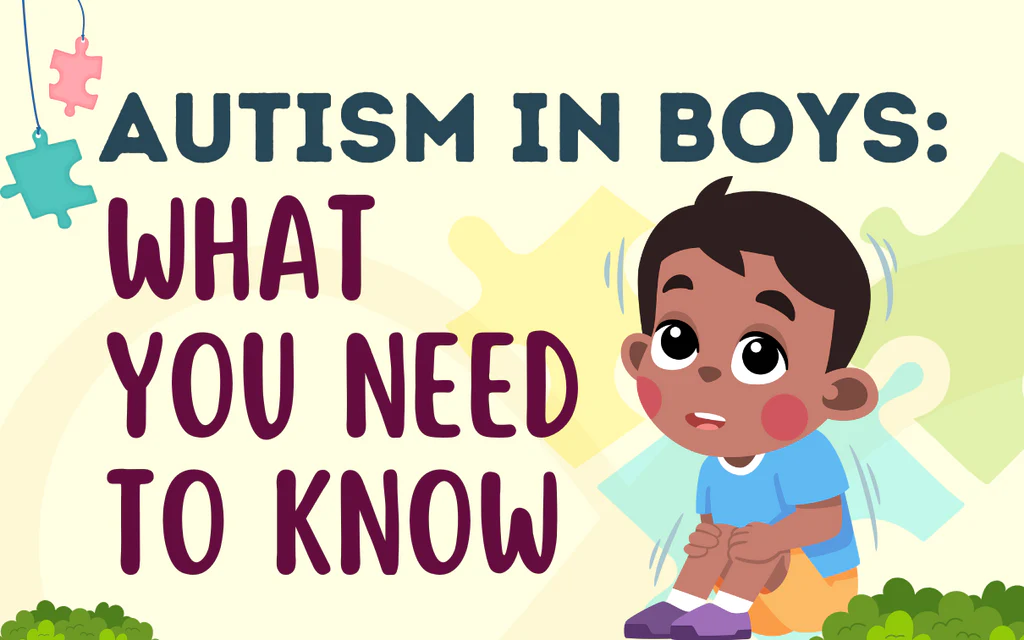
Boys are more likely to be diagnosed with autism spectrum disorder (ASD) than girls. This is a well-established fact that has been widely studied in the scientific community. While the reason for this gender disparity remains unclear, some researchers suggest that biological and genetic factors may play a role.
Studies have shown that boys tend to exhibit more severe symptoms of ASD than girls, including delayed language development, repetitive behaviors, and difficulties with social interactions. However, it’s important to note that not all children with ASD will exhibit these specific behaviors or experience them to the same degree.
It’s worth noting that while boys are more likely to be diagnosed with ASD, this does not necessarily mean that they are inherently at greater risk of developing the condition. Rather, it simply indicates an increased likelihood of diagnosis based on current diagnostic criteria.
Regardless of gender identity or expression, every child on the autism spectrum deserves access to comprehensive evaluation and treatment services tailored specifically to their unique needs and strengths.
Causes Of Autism
The causes of autism are still not fully understood, but experts believe that a combination of genetic and environmental factors may play a role. Research suggests that certain genes may increase the likelihood of developing autism, but it is likely that multiple genes interact to influence this complex disorder.
Environmental factors such as prenatal exposure to toxins or infections during pregnancy have also been linked to an increased risk of autism. Some studies have suggested a link between older parental age at conception and an increased risk of autism in their children.
Additionally, there has been speculation about the role of vaccines in causing autism— but numerous studies have found no evidence to support this claim. It is important for parents to discuss any concerns they may have about vaccinations with their healthcare provider, but vaccinations are widely considered to be safe.
While we still don’t fully understand what causes autism, ongoing research continues to shed light on potential contributing factors.
Diagnosing Autism
Diagnosing autism can be a complex process that involves various medical professionals. The diagnosis is usually made by observing the behavior and communication skills of an individual, as well as their developmental history. A doctor or specialist may ask questions about the person’s development milestones, including speech and language development.
Diagnostic tools such as screening questionnaires may also be used to help identify possible signs of autism. These tools are designed to assess social interaction, communication skills, and repetitive behaviors.
Additionally, because ASD affects each individual differently, a diagnosis may vary greatly between two individuals with similar symptoms. It takes time and careful analysis to ensure accurate identification of ASD.
While diagnosing autism is not always straightforward or simple, having an early diagnosis can lead to earlier intervention and improved outcomes for those affected by this disorder.
Treating Autism
When it comes to treating autism, there are a variety of approaches that can be taken. However, only ABA therapy— Applied Behavioral Analysis— is the only one scientifically proven to be effective in reducing unwanted behaviors and encouraging desirable ones, as well as helping people with Autism lead more healthy and happy lives. This method focuses on reinforcing positive behaviors and teaching new skills. This type of therapy can help children with autism learn how to communicate effectively, interact socially and manage their emotions.
In some cases, medication may also be prescribed to help manage symptoms associated with autism such as anxiety or aggression. However, it’s important to note that medication should never be seen as a cure for autism and should always be used in conjunction with other therapies and treatments.
When it comes to treating autism there is no one-size-fits-all solution. Each individual requires a unique treatment plan tailored specifically to their needs. That’s why it’s so important for parents and caregivers of children with autism to work closely with healthcare professionals like ours at Bright Behavior Therapy who have experience working with this population in order to find the best course of action moving forward.
Have A Loved One With Autism? We Can Help
While it is true that boys are more likely to have autism than girls, there is still much research to be done in order to fully understand this complex disorder. While the causes of autism remain unclear, early diagnosis and treatment can greatly improve outcomes for individuals with autism.
As a society, we must continue to support and advocate for those on the spectrum and work towards creating a more inclusive world where everyone has the opportunity to thrive.
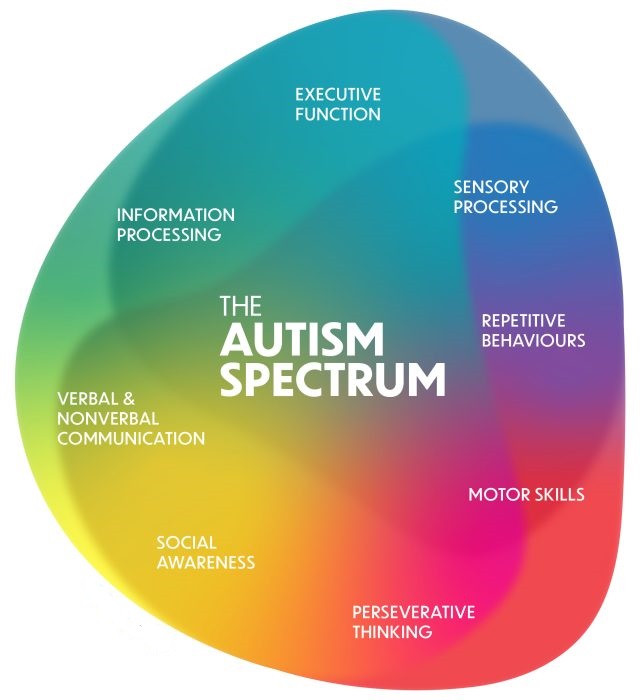
Why Do We Use The Term Autism Spectrum
But why do we use this term? What does it mean for those who live with autism? And how does it help them navigate through life? In this blog post, we’ll explore all of these questions and more to understand why the term “autism spectrum” is so important in today’s world.
What Does It Mean To Be On “The Autism Spectrum”
Being on the autism spectrum means that an individual’s brain processes information differently. It can affect their social interaction, communication skills, and behavior patterns. However, it is important to note that every person with autism experiences it differently.
For some individuals, being on the autism spectrum might mean struggling with nonverbal cues or sensory overload in certain environments. For others, they may excel at processing information in a specific area such as mathematics or music.
It’s important to remember that there are different types of Autism Spectrum Disorder (ASD), which include Asperger’s Syndrome and Pervasive Developmental Disorder-Not Otherwise Specified (PDD-NOS).
While there is no known cure for ASD, early intervention and support can greatly improve outcomes for individuals on the spectrum. This includes therapy sessions tailored towards their specific needs and accommodations in educational and workplace settings.
Being on the autism spectrum should not be viewed as a negative thing but rather as a unique aspect of an individual’s personality. With understanding and acceptance from society, those with ASD can lead fulfilling lives just like anyone else.
The Different Types of Autism
There are different types of Autism, which include:
- Classic Autism: This type of autism was initially described by Leo Kanner in 1943. Individuals with classic autism have significant challenges in social interactions, communication, and exhibit repetitive behaviors.
- Asperger Syndrome: Individuals with Asperger syndrome are highly intelligent; they may have difficulties understanding sarcasm or irony but do not exhibit language delays or cognitive impairments.
- Pervasive Developmental Disorder-Not Otherwise Specified (PDD-NOS): It’s also known as atypical autism where the symptoms don’t fully meet the criteria for classic autism or Asperger’s syndrome.
- Childhood Disintegrative Disorder: This type of Autism is rare and usually occurs after two years of age when the child begins losing their previously acquired developmental skills such as speech, motor skills etc.
While all individuals on the spectrum share certain challenges related to social interaction and communication abilities, each case is unique to its own right. By understanding these various types of Autism allows us to better understand how we can support individuals on the spectrum effectively and appropriately based on their individual needs
The Pros and Cons of using the Term Autism Spectrum
One of the main benefits of using the term “Autism Spectrum” is that it acknowledges and validates the fact that autism is a diverse condition, with varying degrees of severity and symptoms. It recognizes that each person with autism will have unique challenges and strengths, rather than being labeled as simply “autistic” or “not autistic.”
However, some people argue that using this term can also be limiting, as it implies a linear scale from mild to severe autism. In reality, individuals may have different combinations of characteristics across multiple areas such as social communication skills and sensory sensitivities.
Another potential downside of labeling someone as being on the Autism Spectrum is that it can lead to stigma or negative assumptions about their abilities. Some individuals may feel defined by their diagnosis rather than recognized for their individual qualities.
Despite these potential drawbacks, many advocates for people with autism still believe in the importance of using this term to raise awareness and promote acceptance. By recognizing the diversity within the condition itself, we can work towards creating a more inclusive society for all individuals on The Autism Spectrum.
How The Term Autism Spectrum Helps People With Autism
People with autism experience a wide range of symptoms and behaviors, which can make it difficult to understand or describe their experiences. The term “autism spectrum” helps people better understand the diversity within the autism community. It acknowledges that every person’s experience with autism is unique and different from others.
The term also helps reduce stigma around autism by emphasizing that there isn’t one standard way to be autistic. This recognition is important because it promotes acceptance of individuals who may not fit into traditional societal norms.
By using the term “autism spectrum,” people are encouraged to view those with autism as individuals instead of labeling them based on specific characteristics or traits associated with a particular type of disability. This approach fosters greater empathy, understanding, and inclusion for those living with the condition.
Moreover, this terminology empowers individuals on the spectrum by giving them more control over how they describe themselves and their experiences. By embracing neurodiversity, society can recognize that there is value in differences rather than forcing everyone to conform to a single normative model.
Using the term “autism spectrum” has many benefits for people on all sides of the issue— from those directly affected by it to society as a whole. It encourages inclusivity and acceptance while promoting individuality and respect for diversity.
Do you Have A Child Or Family Member On The Autism Spectrum? Give Us A Call Today
Using the term “autism spectrum” allows for a more comprehensive understanding of autism as a spectrum and acknowledges the diversity within individuals on the spectrum. It also helps reduce stigma and promotes acceptance and inclusion. It is crucial to recognize that every individual with autism is unique and should be treated as such.
While there may be differing opinions about whether or not to use the term “Autism Spectrum,” what truly matters is how we approach individuals with autism— with empathy, respect, and an open mind. By doing so, we can create a world where everyone feels accepted for who they are regardless of their differences.
Autism Self-Advocacy: A Blog About How To Raise Awareness For Autism
The Importance Of Autism Awareness
Autism is a spectrum disorder that affects individuals differently. Autism awareness is essential to create an inclusive and understanding society. It helps people understand the challenges faced by those with autism and how they can support them.
Without adequate awareness, people may not recognize the signs of autism in their loved ones or colleagues, leading to misunderstandings and discrimination. By raising awareness, we can help reduce stigma and make it easier for autistic individuals to participate fully in society.
Moreover, increasing public knowledge about autism can lead to early diagnosis and intervention, improving outcomes for autistic individuals. Early intervention services such as ABA therapy have been shown to significantly improve communication skills, socialization abilities, academic performance, and overall quality of life.
In addition, creating more awareness about autism will encourage research into new treatments that could enhance the lives of those living with this condition. Increased funding for scientific research on autism would enable us to better understand its cause and develop effective interventions.
How to Get Involved in Autism Self-Advocacy
To get involved in autism self-advocacy, the first step is to understand what it means. Self-advocacy refers to individuals with autism advocating for themselves and having a say in their own lives. It also includes advocating for others within the Autism community.
One way to get involved is through social media platforms such as Facebook, Twitter, LinkedIn and Instagram. These platforms allow people to share stories, information about events and resources that can help increase awareness of Autism.
Another way is by volunteering at local organizations or nonprofits that focus on Autism advocacy. This could include participating in fundraising efforts or organizing events that raise awareness of Autism causes. Volunteering or participating in the Special Olympics is one fantastic way to get connected to others who have the same concerns.
Attending seminars, conferences and workshops around Autism are great ways to learn more about how you can make an impact in your community. There are many opportunities available for those interested in learning more about becoming an advocate.
Contacting elected officials and sharing concerns regarding accessibility issues related to public spaces can be a valuable tool for advocacy work. Letting your voice be heard by those who make decisions on behalf of the community can create positive change towards greater inclusivity for all individuals with disabilities including those with Autism Spectrum Disorder (ASD).
Autistic People CAN Be Successful
Autistic people can be successful in anything they set their minds to, just like anyone else. The idea that autism automatically means a life of struggle or failure is simply not true. In fact, many autistic individuals have unique perspectives and strengths that make them specially valuable contributors to society.
Of course, success may look different for each person depending on their individual strengths and challenges. Some autistic individuals may excel in fields such as science or technology, while others may find success in creative pursuits like art or music.
One thing that can help autistic individuals achieve success is finding environments where they feel comfortable and supported. This might mean seeking out workplaces with inclusive policies or connecting with communities of other autistic people who understand their experiences.
It’s also important for society at large to recognize the potential of autistic individuals and provide opportunities for them to succeed. By valuing neurodiversity and embracing the unique contributions of all members of our communities, we create a more equitable and supportive world for everyone.
By participating in autism advocacy, you can make this beautiful reality more accessible for everyone.
Want To Get More Involved Or Have A Family Member With Autism? Contact Us
Autism self-advocacy is an essential part of raising awareness about this condition and promoting inclusivity. By getting involved in autism advocacy groups, spreading knowledge through social media and other platforms, supporting autistic individuals in their goals and aspirations, we can create a world that values neurodiversity and recognizes the unique strengths of every individual. If you or a family member has autism, please contact us at (313) 694-7700 and we can get you the help you need and help you to get more involved in the community, including in advocacy.
Let us all come together to be allies for those on the spectrum and work towards a more inclusive society.
The History Of The Special Olympics
In honor of the Special Olympic World Games happening this month in Berlin, we wanted to offer a history of these amazing games for this month’s blog post.
Did you know that this incredible organization has been changing lives for over 50 years? From humble beginnings in the backyard of Eunice Kennedy Shriver’s Maryland home, this global movement now serves millions of athletes with intellectual disabilities including autism across more than 190 countries.
The Special Olympic world games happen every two years, alternating winter and summer sports. Get ready to be inspired by stories of courage, determination, and inclusion!
What Are The Special Olympics?
The Special Olympics are an international organization that provides year-round sports training and athletic competition in a variety of Olympic-type sports for children and adults with intellectual disabilities. The organization was founded in 1968 by Eunice Kennedy Shriver, sister of US President John F. Kennedy.
The first Special Olympics Games were held at Soldier Field in Chicago, Illinois, USA, in July 1968. Since then, the Special Olympics have grown to include more than five million athletes from over 190 countries competing in over 30 Olympic-style sports.
The Special Olympics are held every two years alternating Summer and Winter Games, and there are also regional games and competitions held throughout the year. Somewhere in the world, a Special Olympic event is happening nearly every day of the year.
If you’d like to be involved in Michigan, you can find more information at the Special Olympics Michigan website.
The Purpose Of The Special Olympics
The Special Olympics provides a number of benefits for its athletes:
First, it gives athletes a chance to compete and experience the joys of victory.
Second, it helps athletes to develop physical fitness and confidence.
Third, it gives athletes a sense of belonging to a community and an opportunity to make new friends.
Fourth, the Special Olympics provides services to its athletes, such as vision and nutrition screening, shoes, and other necessities often missed by our larger culture.
Finally, it helps to change public attitudes towards people with intellectual disabilities.
There have been many changes to the Special Olympics over the years.
One of the biggest changes is that the Games are now held all over the world. In 1968, only 1,000 athletes from 26 states and Canada competed in the Games. Now, more than 5 million athletes from 190 countries compete in the Special Olympics every year.
The types of sports offered have also changed over the years. When the Games first started, only a few sports were offered. Now, there are more than 30 sports to choose from, including traditional sports like basketball and track and field, as well as newer sports like surfing and kayaking.
The rules of some sports have also been adapted to make them more inclusive for athletes with intellectual disabilities. For example, in basketball, teams are now allowed to have twice as many players on the court as they do in traditional basketball games. This allows all athletes to be involved and to have a chance to score points.
The Special Olympics have also grown beyond just an athletic competition. They now offer programs like Young Athletes, which introduces children with intellectual disabilities to sport and physical activity; Healthy Athletes, which provides free health screenings and services to athletes; and Unified Sports, which brings together people with and without intellectual disabilities on sports teams.
The Future of the Special Olympics
The Special Olympics have come a long way since their humble beginnings in 1968. Today, the organization is a global force for good, with over 5 million athletes taking part in Special Olympic events every year.
Looking to the future, the Special Olympics will continue to grow and change lives. Here are just a few of the ways that the Special Olympics will continue to make a difference in the years to come:
- More awareness and inclusion of people with intellectual disabilities
One of the core missions of the Special Olympics is to create a more inclusive world for people with intellectual disabilities. In recent years, there has been a growing awareness of the issues faced by this community, and the Special Olympics has played a key role in driving this change. Going forward, the organization will continue to work towards increasing inclusion and opportunity for people with intellectual disabilities around the world.
- Continued expansion into new countries and regions
The Special Olympics currently reaches over 190 countries around the world. In the coming years, the organization plans to expand its reach even further, bringing its message of hope and inclusion to even more people across the globe.
- A focus on health and wellness
As well as promoting inclusion, another key aim of the Special Olympics is to improve health and wellbeing among its athletes. In recent years, there has been a growing focus on health and wellness within the organization, and this is set to continue in the future. The Special Olympics will continue to work with partners in industry and the nonprofit sector to bring more healthy initiatives to its athletes and families.
Get Help For Children With Intellectual Disabilities, Including Autism, At Bright Behavior Therapy
The Special Olympics has been a source of inspiration and hope for athletes with intellectual disabilities since its founding over fifty years ago. Its success is due to the outstanding dedication, commitment and hard work of countless individuals who have seen the potential of these exceptional athletes and worked to provide them with an outlet to reach their full potential.
It continues to provide joy, motivation, empowerment and life-changing experiences both on the field and off in communities around the world. We are proud that the Special Olympics stands as a testament to what people can achieve when they come together with courage and determination.
What Are The Symptoms Of Autism?
In this month’s blog post, we will explore the most common symptoms of autism and how they affect daily life. Whether you’re a parent who suspects their child may have ASD or just curious about the topic, this article will provide valuable insights into how to recognize the signs of this disorder.
The Symptoms Of Autism
The most obvious symptoms of autism are impaired social interaction and communication. This can manifest itself in a number of ways, such as an inability to make eye contact, difficulty understanding and responding to emotions, and problems with back-and-forth conversations.
Other common symptoms include repetitive behaviors (such as lining up toys or twirling), restricted interests (obsessively fixating on one subject or activity), and sensory sensitivities (over- or under-reacting to stimuli such as sounds, tastes, smells, or textures).
There is no one definitive answer to this question as each individual with autism spectrum disorder (ASD) will present with unique symptoms. However, there are some general guidelines that medical professionals use when diagnosing ASD.
First, practitioners will often ask questions about the individual’s developmental history and whether there were any early signs or red flags that might have indicated a problem. It’s important to note that not all individuals with ASD will exhibit all of the common symptoms; in fact, many people with ASD only display a few.
Next, medical professionals will usually administer one or more standardized tests that assess social interaction, communication skills, and repetitive behaviors. These tests can help identify which individuals are likely to meet the criteria for an ASD diagnosis.
Finally, practitioners may also recommend additional testing (e.g., genetic testing, neurological imaging) to rule out other possible causes of the individual’s symptoms (e.g., Fragile X syndrome).
It’s important to remember that there is no single “autism test”— rather, diagnosis is based on a comprehensive evaluation that takes into account multiple factors. If you suspect your child might have ASD, it’s important to consult with a qualified professional who can provide an accurate diagnosis.
What Causes Autism?
There is no one cause of autism. It is likely that there are many causes. Some research suggests that autism may be caused by a combination of genetic and environmental factors.
For example, exposure to certain toxins or infections during pregnancy may increase the risk of autism in children. Additionally, some researchers believe that certain genes may make individuals more susceptible to developing autism.
However, more research is needed to determine the specific causes of autism.
Is There A Cure For Autism?
There is no “cure” for autism. However, we don’t think of autism as something that needs curing, rather, behaviors that are desirable and behaviors that are undesirable. It’s important to remember that people who have “special needs” also have special gifts to offer our communities, our families, and the world too.
There are treatments available that can help lessen the undesirable behaviors associated with autism and encourage desirable behaviors. These treatments allow people with autism to lead happy, fulfilling lives.
The most successful treatment backed by science is ABA therapy, or Applied Behavioral Analysis Therapy, which is what we use here at Bright Behavior. It’s also important to get people into treatment as early as possible, as earlier treatment generally means better outcomes overall.
How Can People With Autism Lead Fulfilling Lives?
There is no one answer to this question as each person with autism is unique and will therefore have different needs and preferences. However, there are some general things that can be done to help people with autism lead fulfilling lives.
One important thing is to provide support and assistance with communication. Many people with autism have difficulty communicating, so it is important to find ways to help them express themselves. This may involve using alternative forms of communication such as sign language or picture boards.
It is also important to provide structure and routine in the lives of people with autism. Many people with autism thrive on routine and find it difficult to cope with change. Having a set daily routine can help reduce anxiety and make life more predictable and manageable for people with autism.
Finally, it is important to create an accepting and inclusive environment for people with autism. This means making sure that they feel included in social activities and that their individual needs are respected. It can also involve providing access to specialist services and support groups specifically for people with autism.
Get Compassionate And High-Quality Autism Care In Michigan
Autism is a complex neurological disorder that can affect people of all ages and genders. Though each person with autism experiences it uniquely, certain symptoms are commonly associated with the condition.
Knowing these signs may help you identify if someone has autism or not and also provide information to direct them towards necessary health professionals for diagnosis and treatment. It is important to remember that autistic individuals are still capable of experiencing joy, forming meaningful relationships, pursuing education, contributing to society in meaningful ways, living full lives— they just need the right support in order to do so.
If you’re looking for that support in Michigan, please call us at Bright Behavior Therapy at (313) 694-7700 for a free consultation.
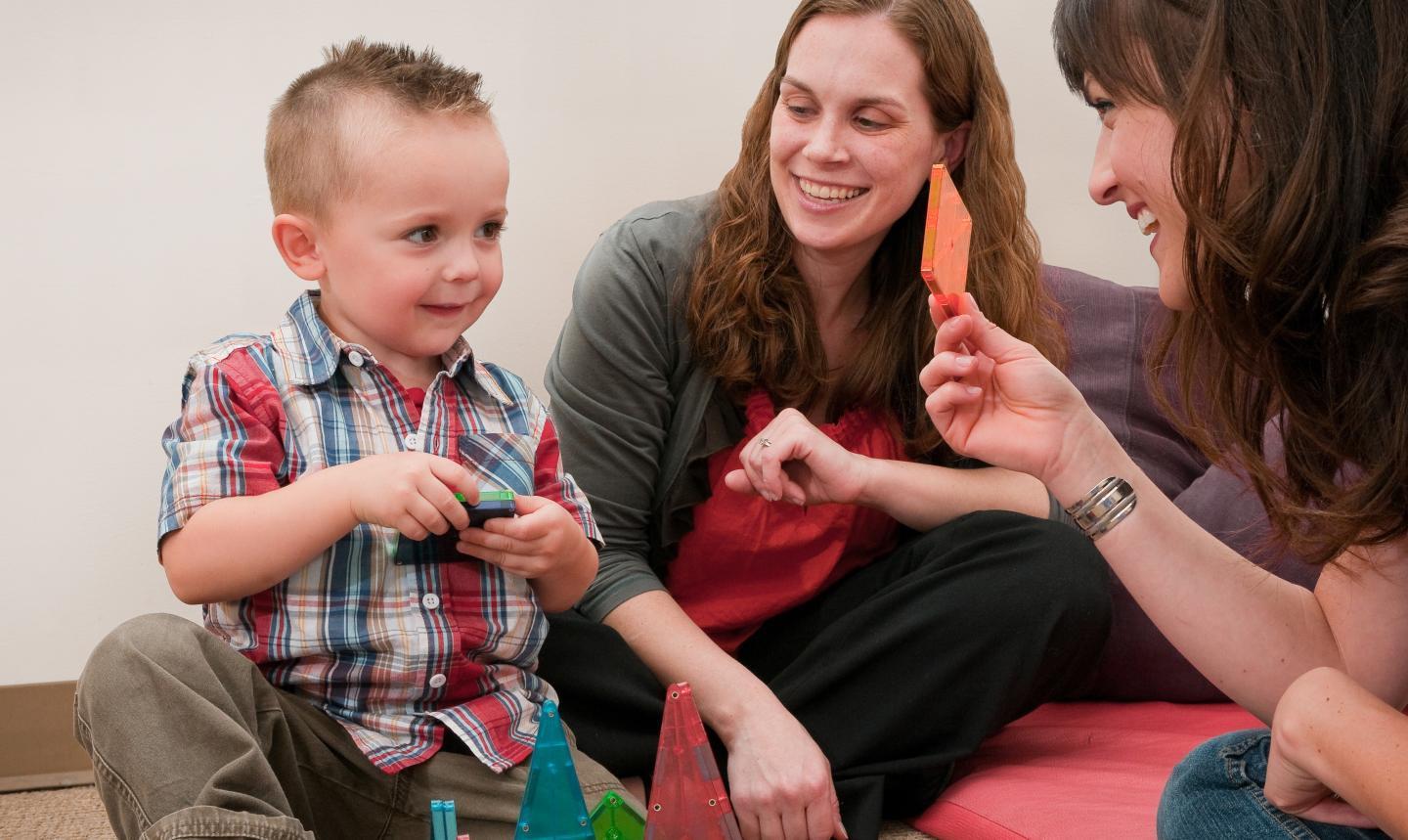
What Do I Do If I’m On a Very Long Waitlist For an Autism Evaluation?
You don’t have to wait to receive services! Insurance companies know the importance of receiving therapy at an early age which is why they offer Bridge coverage.
Bridge coverage for ABA therapy refers to temporary coverage of Applied Behavior Analysis (ABA) therapy services provided to a child with autism by a health plan or insurer during a transition period when the child’s ABA therapy provider is changing or if they are waiting for a full autism evaluation to be completed. In order for the services to be covered the client needs to have an ADOS assessment completed by a psychologist.
ADOS stands for Autism Diagnostic Observation Schedule. It is a standardized assessment tool used by healthcare professionals to evaluate individuals for autism spectrum disorder (ASD). The ADOS is considered the gold standard for diagnosing ASD and is designed to observe and record behaviors that are characteristic of the disorder.
The ADOS is a semi-structured assessment that typically takes 60 to 90 minutes to complete. It involves a series of activities and tasks that are designed to elicit certain behaviors that are commonly seen in individuals with ASD, such as social communication difficulties, restricted and repetitive behaviors, and sensory issues. The assessment is conducted by a trained professional, such as a psychologist or psychiatrist, and involves direct interaction with the individual being evaluated.
The ADOS is just one component of a comprehensive autism evaluation and is often used in conjunction with other assessments, such as developmental and medical evaluations, behavioral observations, and interviews with parents and caregivers. The results of the ADOS, along with the other components of the evaluation, are used to determine whether an individual meets the criteria for an ASD diagnosis.
Bridge coverage may vary depending on the specific health plan or insurer and the circumstances of the transition period. It is important to check with the health plan or insurer to understand the details of their bridge coverage policy for ABA therapy services.
Here are some autism evaluation centers near Dearborn, Michigan that you may find helpful:
- The University of Michigan Autism and Communication Disorders Center – Ann Arbor, MI (about 30 minutes from Dearborn)
- The Beaumont Children’s Center for Human Development – Southfield, MI (about 20 minutes from Dearborn)
- The Henry Ford Health System Autism and Developmental Disabilities Clinic – Detroit, MI (about 15 minutes from Dearborn)
- The Michigan Medicine Autism Assessment Clinic – Ann Arbor, MI (about 30 minutes from Dearborn)
- The Center for Autism Research, Evaluation, and Service (CARES) – Canton, MI (about 25 minutes from Dearborn)

What Do I Do If My Pediatrician Thinks My Child Has Autism?
Early diagnosis and intervention are crucial for improving outcomes for children with ASD, so it is important not to delay seeking an evaluation. Additionally, seeking out resources and support from autism advocacy organizations, parent support groups, and other families who have experience with ASD can be helpful in navigating the diagnosis process and accessing appropriate interventions and services for your child.
Here are some autism evaluation centers near Dearborn, Michigan that you may find helpful:
- The University of Michigan Autism and Communication Disorders Center – Ann Arbor, MI (about 30 minutes from Dearborn)
- The Beaumont Children’s Center for Human Development – Southfield, MI (about 20 minutes from Dearborn)
- The Henry Ford Health System Autism and Developmental Disabilities Clinic – Detroit, MI (about 15 minutes from Dearborn)
- The Michigan Medicine Autism Assessment Clinic – Ann Arbor, MI (about 30 minutes from Dearborn)
- The Center for Autism Research, Evaluation, and Service (CARES) – Canton, MI (about 25 minutes from Dearborn)

What is Positive Reinforcement in ABA Therapy?
Positive reinforcement is a key component of Applied Behavior Analysis (ABA) therapy, which is commonly used to treat individuals with autism and other developmental disabilities. Positive reinforcement involves providing a desirable consequence or reward to increase the likelihood of a behavior being repeated in the future. For example, if a child with autism says “hello” in response to a greeting, the therapist might provide positive reinforcement by giving the child a high-five or a small toy. The child is more likely to repeat the behavior of saying “hello” in the future because they received a positive consequence for doing so.
Positive reinforcement is a powerful tool in ABA therapy because it can help to increase the frequency and quality of desirable behaviors, such as social interactions, communication, and self-care skills. It can also help to reduce problematic behaviors, such as aggression or self-injury, by reinforcing alternative, more appropriate behaviors. The use of positive reinforcement is based on the principles of operant conditioning, which suggest that behaviors that are followed by positive consequences are more likely to be repeated in the future.
Contact Us Today To Learn More! (313) 694-7700
Learn More