Are Boys More Likely To Have Autism?
Boys and Autism
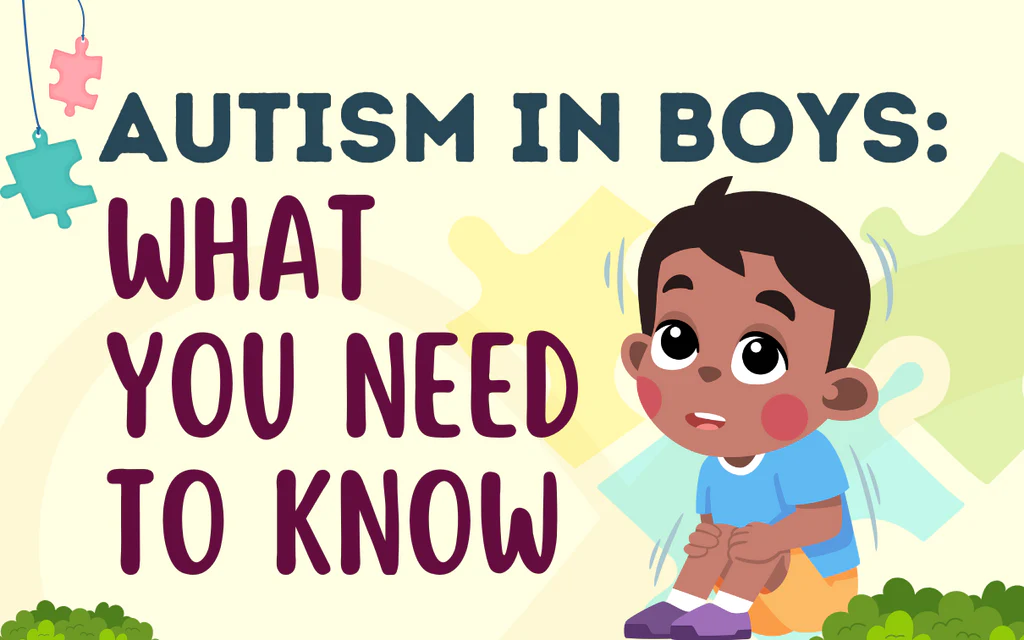
Boys are more likely to be diagnosed with autism spectrum disorder (ASD) than girls. This is a well-established fact that has been widely studied in the scientific community. While the reason for this gender disparity remains unclear, some researchers suggest that biological and genetic factors may play a role.
Studies have shown that boys tend to exhibit more severe symptoms of ASD than girls, including delayed language development, repetitive behaviors, and difficulties with social interactions. However, it’s important to note that not all children with ASD will exhibit these specific behaviors or experience them to the same degree.
It’s worth noting that while boys are more likely to be diagnosed with ASD, this does not necessarily mean that they are inherently at greater risk of developing the condition. Rather, it simply indicates an increased likelihood of diagnosis based on current diagnostic criteria.
Regardless of gender identity or expression, every child on the autism spectrum deserves access to comprehensive evaluation and treatment services tailored specifically to their unique needs and strengths.
Causes Of Autism
The causes of autism are still not fully understood, but experts believe that a combination of genetic and environmental factors may play a role. Research suggests that certain genes may increase the likelihood of developing autism, but it is likely that multiple genes interact to influence this complex disorder.
Environmental factors such as prenatal exposure to toxins or infections during pregnancy have also been linked to an increased risk of autism. Some studies have suggested a link between older parental age at conception and an increased risk of autism in their children.
Additionally, there has been speculation about the role of vaccines in causing autism— but numerous studies have found no evidence to support this claim. It is important for parents to discuss any concerns they may have about vaccinations with their healthcare provider, but vaccinations are widely considered to be safe.
While we still don’t fully understand what causes autism, ongoing research continues to shed light on potential contributing factors.
Diagnosing Autism
Diagnosing autism can be a complex process that involves various medical professionals. The diagnosis is usually made by observing the behavior and communication skills of an individual, as well as their developmental history. A doctor or specialist may ask questions about the person’s development milestones, including speech and language development.
Diagnostic tools such as screening questionnaires may also be used to help identify possible signs of autism. These tools are designed to assess social interaction, communication skills, and repetitive behaviors.
Additionally, because ASD affects each individual differently, a diagnosis may vary greatly between two individuals with similar symptoms. It takes time and careful analysis to ensure accurate identification of ASD.
While diagnosing autism is not always straightforward or simple, having an early diagnosis can lead to earlier intervention and improved outcomes for those affected by this disorder.
Treating Autism
When it comes to treating autism, there are a variety of approaches that can be taken. However, only ABA therapy— Applied Behavioral Analysis— is the only one scientifically proven to be effective in reducing unwanted behaviors and encouraging desirable ones, as well as helping people with Autism lead more healthy and happy lives. This method focuses on reinforcing positive behaviors and teaching new skills. This type of therapy can help children with autism learn how to communicate effectively, interact socially and manage their emotions.
In some cases, medication may also be prescribed to help manage symptoms associated with autism such as anxiety or aggression. However, it’s important to note that medication should never be seen as a cure for autism and should always be used in conjunction with other therapies and treatments.
When it comes to treating autism there is no one-size-fits-all solution. Each individual requires a unique treatment plan tailored specifically to their needs. That’s why it’s so important for parents and caregivers of children with autism to work closely with healthcare professionals like ours at Bright Behavior Therapy who have experience working with this population in order to find the best course of action moving forward.
Have A Loved One With Autism? We Can Help
While it is true that boys are more likely to have autism than girls, there is still much research to be done in order to fully understand this complex disorder. While the causes of autism remain unclear, early diagnosis and treatment can greatly improve outcomes for individuals with autism.
As a society, we must continue to support and advocate for those on the spectrum and work towards creating a more inclusive world where everyone has the opportunity to thrive.
Related Posts

What Do I Do If I’m On a Very Long Waitlist For an Autism Evaluation?
You don’t have to wait to receive services! Insurance companies know the...

Autism Self-Advocacy: A Blog About How To Raise Awareness For Autism
Autism is a condition that affects millions of people worldwide, yet it remains...